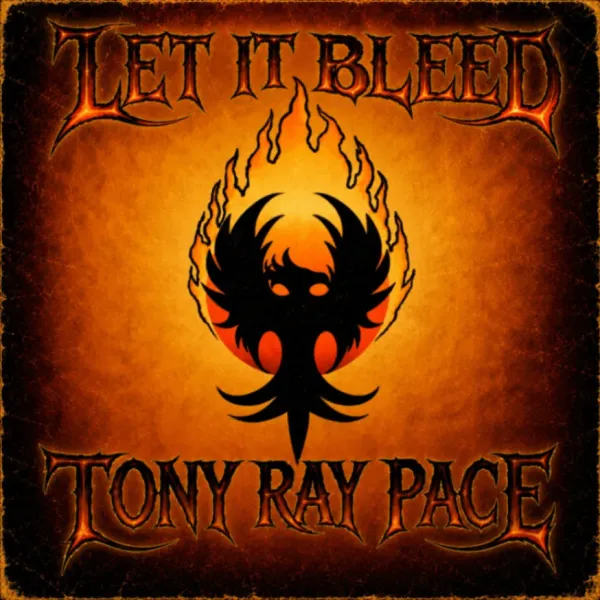
Tony Ray Pace Tears Through Combat Scars on 'Let It Bleed'
A '54 reissue Strat, battered hands, and the heavy physical cost of staying alive.
By 40MAG ·
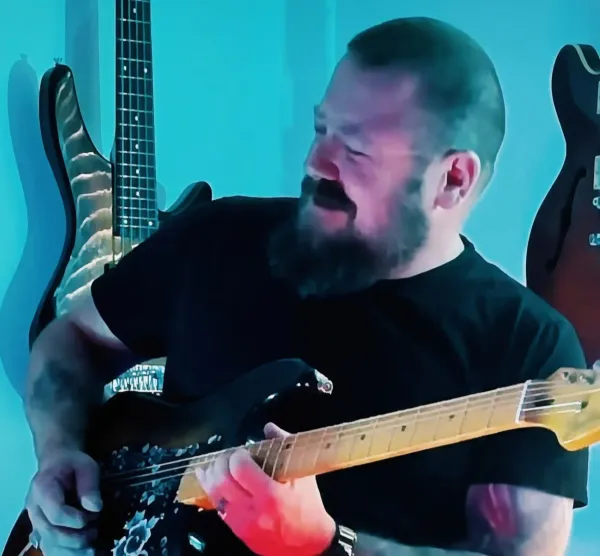
A lot of modern blues rock sounds like rich guys showing off vintage gear in clean rooms, but Tony Ray Pace plays like someone who has spent years staring down real physical damage. Pace is an army veteran dealing with combat-related chronic pain. He tracks everything alone at home on Pro Tools, beating out rhythms on an electronic kit, laying down basic synth lines, and plugging a '54 reissue Stratocaster straight into the board. This is not casual weekend jamming, it is a bare-knuckle way to keep his head above water when the body gives out.
The music takes its cues from Gary Moore and Stevie Ray Vaughan, players who dug their picks into strings until their knuckles bled. There is a drop right in the middle of the track where the drums pull back and leave the Strat hanging in the air, humming with amp noise and raw vibrato before everything crashes back in.
Without a big studio crew to lean on, the lyrics carry the weight of the song. The words are blunt, weary, and skip fancy metaphors entirely:
'I ain't saying much, I'm letting it bleed. No words left, Just what you hear in me.'
Right from the start, Pace makes it clear that talking about pain does nothing anymore. He talks about keeping scarred hands steady on old nickel strings, dragging notes out until they rattle. The chorus does not try to be a radio hook; it is an ultimatum. When you have spent years keeping quiet about damage you cannot fix, your only choices are to burn it down or hand the fight over to your fingers.
By the time he hits the outro, chanting that if the listener hears the strain in the notes that is all he needs, the track drops whatever guard was left. 'Let It Bleed' is heavy, unpolished, and completely honest about what it takes to live inside broken skin.